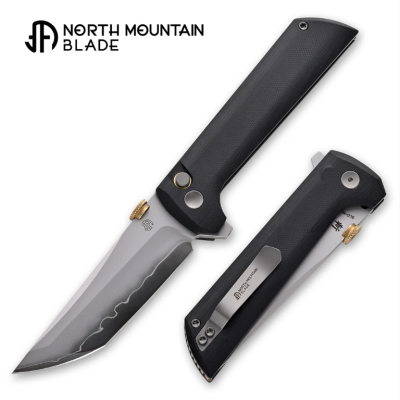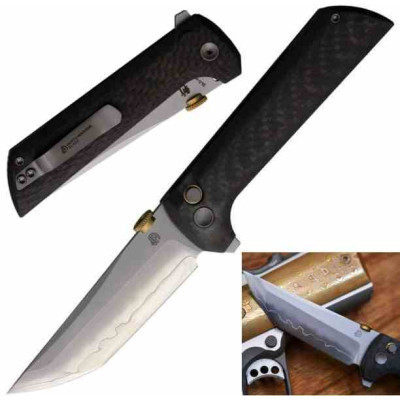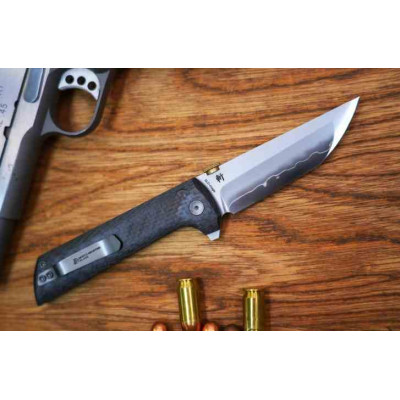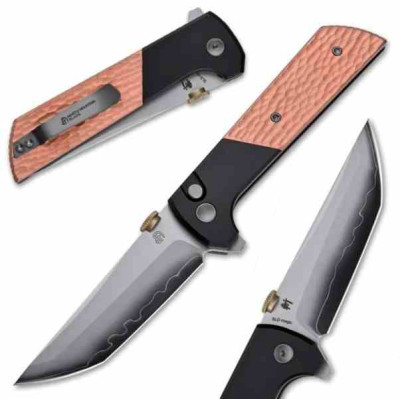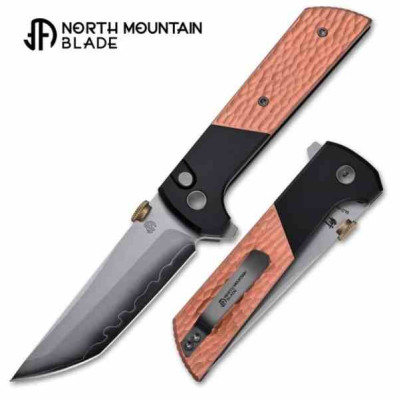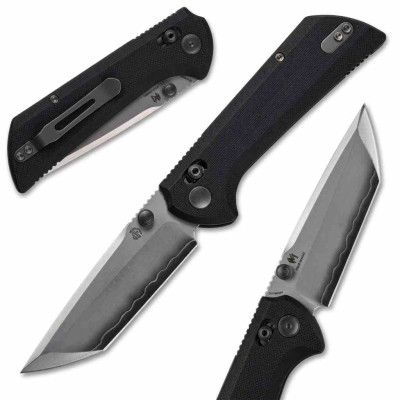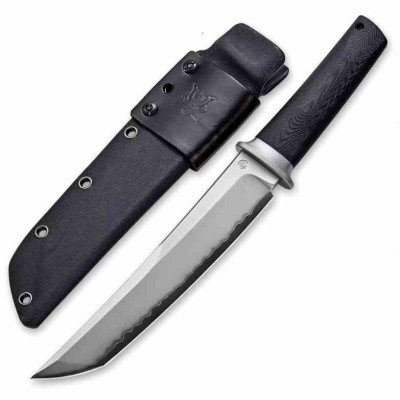
North Mountain Blade is a cutlery brand that has gained significant traction in the knife and blade enthusiast community for its ability to fuse traditional Japanese craftsmanship with modern manufacturing techniques.
1. Brand Profile and Origin
Founded: Established in 2018.
Philosophy: The brand positions itself as a bridge between traditional design and technological innovation. Although they operate with a global presence, their artisanal core is deeply rooted in Japanese tradition.
Production: Unlike many brands that outsource, North Mountain Blade claims to manufacture its pieces in its own factory, allowing for stricter quality control and experimentation with uncommon materials.
2. Distinctive Materials and Technology
What truly sets North Mountain Blade apart from other competitors in its price range is its use of specific steels and forging techniques:
SLD-Magic Steel: This is one of their signature materials. It is a high-performance tool steel produced by Hitachi Metals in Japan, known for its excellent edge retention and toughness, often compared to or placed between D2 and more advanced steels.SAIMAI (San Mai) Technology: They use the "sandwich" or hot forging technique, where a core of hard steel (such as SLD-Magic or M390) is laminated between layers of softer steel or Damascus steel. This creates blades that are extremely hard at the edge but flexible and resistant to breakage in the body.
Premium Handle Materials: They use a range of materials, from tactical options like G10, Micarta, and Carbon Fiber, to more exotic or technical materials such as Ultem (PEI), anodized titanium, and 7075 aluminum alloys.
3. Product Lines and Collaborations
The brand is organized into several series and is known for collaborating with world-renowned designers in the industry, such as Bob Terzuola, Jason Grant, Lee Williams, Duane Dwyer, Nemoto Knives, and Hiroshi Suzuki.
Popular Series:
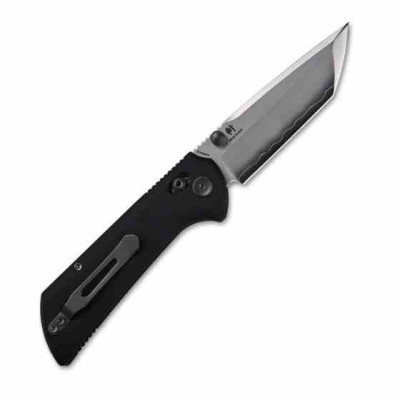
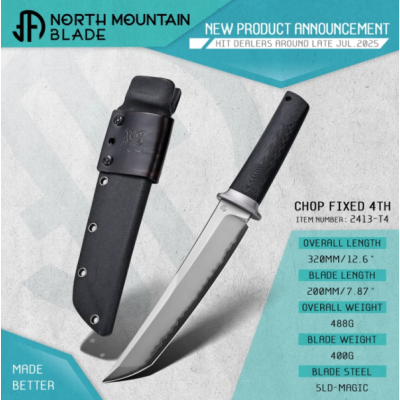
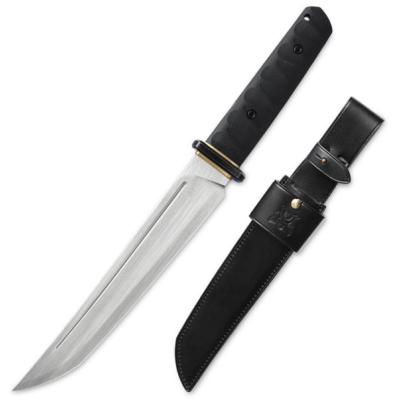
Chop / Chop 2: Their most iconic model, known for its Japanese-style tanto blade and robust construction.
Kaiken: Inspired by traditional Japanese daggers, with a slim and elegant profile.
Lanny & Mamoru: Models that explore more traditional or gentlemanly aesthetics (gentleman folders).
4. Common Technical Features
Locking Systems: They offer a variety of locking systems, including Button Lock, Crossbar Lock (similar to an Axis Lock), Frame Lock, and Liner Lock.
Action: Most of their knives utilize caged ceramic bearing systems, providing a very smooth and fast opening.
Hardness: Their blades are typically heat-treated to achieve a hardness of 60-61 HRC, a high standard that ensures edge durability.
5. Market Analysis and Reputation
Value for Money: They are positioned in the "upper-mid-range" or "accessible premium" segment. They offer materials and finishes typically found in brands that cost twice as much.
-0-3-400x400w.jpg "North Mountain Blade Chop 2 2418CF5")